Posted on 6 November 2026
Floor screeding plays an important role in creating smooth, level and durable flooring. However, incorrect installation can cause expensive problems later. Whether you’re renovating a home or managing a commercial project, choosing reliable screed Scunthorpe services can help prevent costly mistakes. Understanding What Happens If Floor Screed Is Laid Incorrectly? can help property owners recognise potential problems before they become serious.
Why Is Correct Floor Screeding Important?
Floor screed creates a level surface over a concrete base or suitable flooring system. It provides the foundation for tiles, carpets, laminate and other floor coverings. Additionally, screed can work alongside insulation and underfloor heating systems to improve floor performance. However, poor preparation, incorrect mixing or unsuitable installation conditions can affect the finished result. Therefore, professional planning and the correct screed specification are essential for achieving lasting results.
What Are the Most Common Problems with Incorrect Floor Screeding?
1. Cracking in the Floor Screed
Cracking is one of the most common problems associated with poorly installed screed.
Several factors can contribute to cracking, including:
- Incorrect water-to-cement ratios
- Rapid drying or inadequate curing
- Poorly prepared subfloors
- Missing or incorrectly positioned movement joints
- Excessive loading before the screed gains sufficient strength
Although minor surface cracks aren’t always serious, larger cracks can indicate underlying problems. Consequently, contractors should investigate significant cracking before installing the final flooring.
2. Uneven or Sloping Floors
A poorly levelled screed can create noticeable dips, bumps and uneven surfaces. These imperfections can make fitting tiles, laminate or other flooring materials difficult. Furthermore, uneven screed may cause gaps beneath flooring, leading to movement and potential damage. Correct levelling techniques and suitable equipment help achieve the required surface regularity.
3. Weak or Crumbling Screed
Screed should provide a stable surface capable of supporting its intended loads. However, incorrect mixing, excessive water or unsuitable curing conditions can weaken the material. As a result, the screed may become dusty, brittle or begin crumbling. This can affect the performance of adhesives and floor coverings. In severe cases, contractors may need to remove and replace the damaged screed.
4. Moisture Problems Beneath Flooring
Installing floor coverings before screed reaches the required moisture condition can create significant problems.
For example, trapped moisture can cause:
- Timber flooring to swell or warp
- Adhesives to fail
- Vinyl flooring to bubble
- Certain floor finishes to deteriorate
Additionally, excessive moisture can delay construction schedules and increase project costs.
Therefore, contractors should carry out appropriate moisture testing before fitting moisture-sensitive floor coverings.
Can Incorrect Floor Screeding Affect Underfloor Heating?
Yes. Incorrect screed installation can affect the performance and reliability of underfloor heating systems. For example, poor coverage around heating pipes may create voids that reduce effective heat transfer. Furthermore, unsuitable screed thickness or missing movement joints can contribute to cracking. Contractors must also follow the heating manufacturer’s commissioning requirements. This includes allowing sufficient curing time before gradually introducing heat. Correct installation helps protect the heating system while supporting consistent floor performance.
How Can You Tell If Floor Screed Has Been Laid Incorrectly?
Understanding What Happens If Floor Screed Is Laid Incorrectly? also means recognising the warning signs. Some problems become visible shortly after installation, while others appear once the flooring is in use. Common warning signs include visible cracking, loose areas, uneven surfaces and excessive dusting. Additionally, hollow sounds may indicate poor bonding in certain screed systems. However, not every visible defect means the entire floor has failed. A qualified flooring professional can assess the screed and recommend suitable remedial work.
Can Poorly Laid Floor Screed Be Repaired?
In many cases, contractors can repair damaged screed without replacing the entire floor. However, the correct solution depends on the cause and extent of the problem. For example, suitable repair materials may address localised cracks or minor surface defects. Meanwhile, contractors may use approved levelling compounds to correct certain uneven areas. Nevertheless, extensive cracking, weak screed or widespread debonding may require replacement. Identifying the underlying cause is essential before starting repairs. Otherwise, the same problems could return.
 How Can You Prevent Floor Screeding Problems?
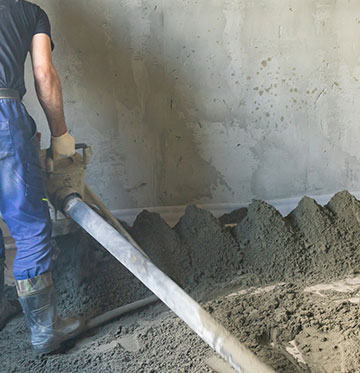
Preventing screed problems begins with selecting the correct materials and installation methods. Firstly, contractors should assess the subfloor and determine the project’s requirements. Next, they should choose a screed specification suitable for the intended flooring and loading conditions. Accurate mixing and appropriate placement techniques are equally important. Furthermore, correct curing, moisture management and movement joint design help reduce the risk of defects. Working with an experienced concrete and screed supplier can also help maintain material consistency.
Frequently Asked Questions About Floor Screeding
How Long Does Floor Screed Take to Dry?
Drying times depend on the screed type, thickness and environmental conditions. Traditional cement-based screeds can take several weeks to reach suitable moisture levels. However, some specialist screeds offer faster drying times. Always follow the product specification and confirm moisture levels before laying flooring.
Is It Normal for New Floor Screed to Crack?
Some minor shrinkage cracking can occur during drying. However, extensive or widening cracks may indicate problems requiring professional assessment.
Can You Lay Flooring Over Uneven Screed?
Certain minor irregularities can be corrected using suitable preparation products. However, significant unevenness should be addressed before installing the final floor covering.
What Happens If You Walk on Screed Too Early?
Walking on screed before it gains sufficient strength can damage the surface. Therefore, always follow the specified access and loading times.
Choose Quality Screed for Your Next Project
Understanding What Happens If Floor Screed Is Laid Incorrectly? highlights the importance of correct preparation, suitable materials and professional installation. Poor screeding can lead to cracking, uneven surfaces, moisture problems and unnecessary repair costs. At Doncaster Quickmix, we understand the importance of supplying quality materials for construction and flooring projects. Whether you’re working on a domestic renovation or a commercial development, choosing the right screed helps create a reliable foundation. Contact Doncaster Quickmix today to discuss your project requirements and find out more about our screed supply services.
